Two Weeks in Portugal, Done Right: Lisbon, Sintra, Porto & the Douro Valley
I moved to Portugal at the end of August 2025, and if there's one thing that's surprised me since landing, it's how differently people plan a trip here once they actually understand the geography. Most first-timers try to cram Lisbon, Porto, the Algarve, and a day trip to Sintra into a week, and end up spending half their vacation on trains and half their energy recovering from it. Portugal rewards a slower pace more than almost anywhere else I send clients.
So here's the itinerary I'd actually book for a couple with 10 to 12 days and a real appetite to see the country properly: Lisbon, a day in Sintra, Porto, and a couple of nights out in the Douro Valley. It's four completely different versions of Portugal, and none of them feel rushed.
Please note: This post may contain affiliate links. This means I may earn a small commission, at no additional cost to you, if you make a purchase by clicking a link on this post.
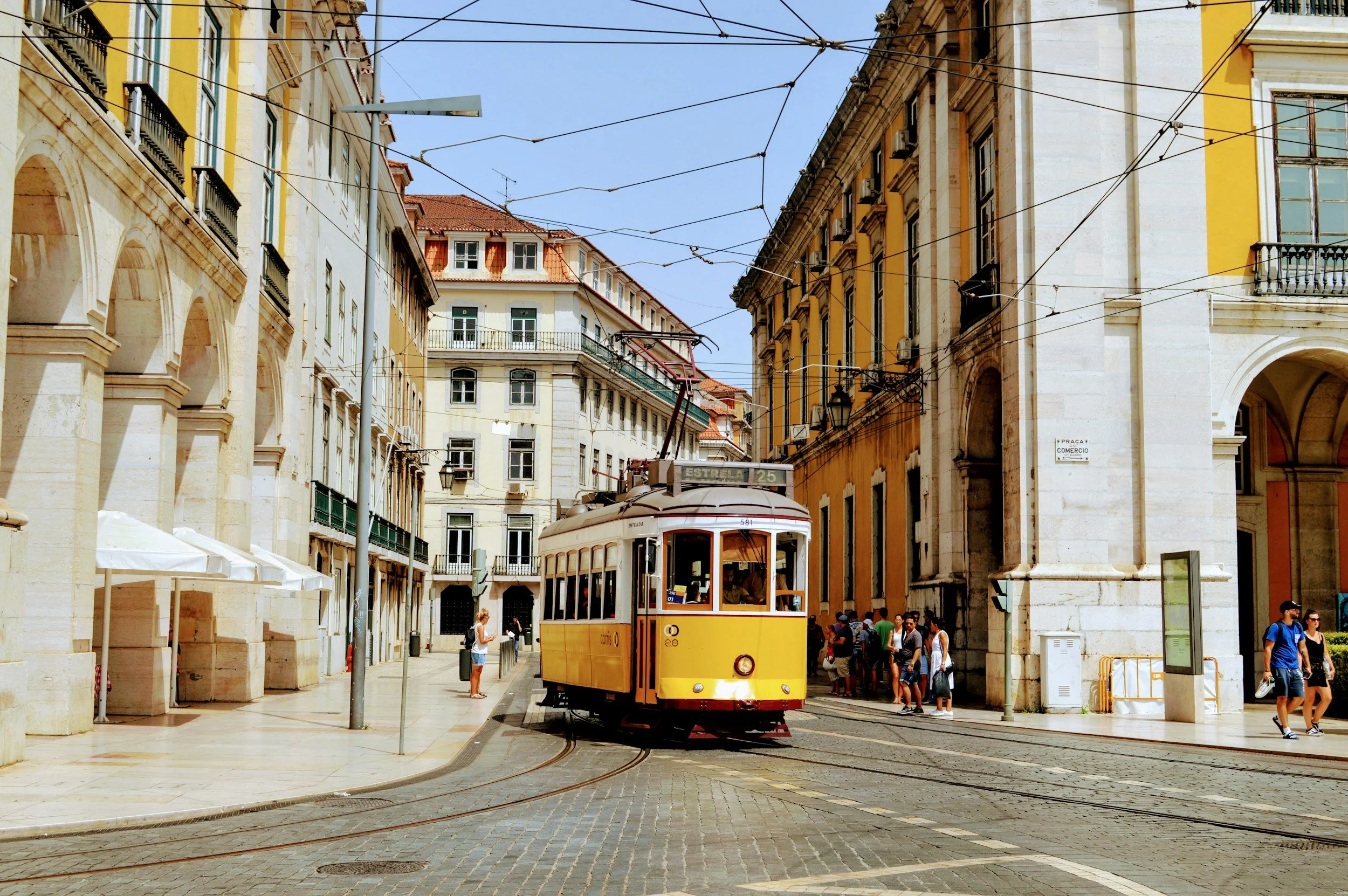
Lisboa
Days 1–4: Lisbon
Give Lisbon at least three full days. It's a city built on hills, which means everything takes longer to get to than the map suggests (seriously, there’s jokes about this), and the reward for the extra ten minutes of walking is almost always a view worth stopping for.
Base yourself in Chiado or Príncipe Real if you want walkability and good restaurants outside your door. Baixa is another solid option, central and refreshingly flat, good if anyone in your party doesn't want to be doing hill repeats every time they leave the hotel. If budget allows, Avenida da Liberdade has the city's high-end hotels and a lush, park-like setting a few minutes' walk from everything. Alfama is the most picturesque neighborhood in the city, but it's genuinely hilly and cobblestoned, worth knowing if anyone has mobility or accessibility concerns, or just doesn't love dragging a suitcase uphill. Save your late nights for Bairro Alto instead, that's where the noise actually lives after dark.
Spend a morning getting properly oriented with a guided walk through Alfama, Lisbon's oldest quarter. This is where a small-group, expert-led tour earns its keep. A good local guide will get you into the layered history (Moorish roots, fado's origins, the 1755 earthquake that leveled the rest of the city but spared this hillside) in a way that turns the neighborhood from pretty into meaningful.
Spend a morning getting properly oriented with a guided walk through Alfama, Lisbon's oldest quarter. This is where a small-group, expert-led tour earns its keep. A good local guide will get you into the layered history (Moorish roots, fado's origins, the 1755 earthquake that leveled the rest of the city but spared this hillside) in a way that turns the neighborhood from pretty into meaningful.
Don't skip Belém, even though it's touristy. The Jerónimos Monastery and the pastéis de nata from the original bakery are worth the detour, and the riverside walk out there is a nice slow afternoon.
Save one evening for Fado in a small, family-run casa de fado rather than a big touristy dinner show. It hits differently in a room that seats forty than a room that seats four hundred.
Recommended Tours
Alfama Neighborhood Tour: Fado and Moorish Roots
Read Alfama between the lines, tracing Moorish layers, river views, and Fado stories with an expert who makes Lisbon's oldest quarter click.Welcome Tour to Lisbon in Private Eco Tuk Tuk
Discover Lisbon historical center aboard a 100% electric Tuk Tuk and explore the oldest areas of the city on a 2-hour private tour.Lisbon Food Tour: Chiado and Baixa
On this 3-hour private Food Tour in Lisbon led by a local chef or food writer, you will stroll the cobblestoned streets of the Chiado and Baixa neighborhoods in order to explore the city’s culinary culture.Belém Tour: Jerónimos and Maritime Power
Read Belém like a map of power, faith, and ambition, with an expert connecting Portugal's voyages to the world they reshaped.Private Lisbon Sailing Cruise
Leave Lisbon's crowds behind and enjoy the city's famous sights aboard a beautiful sailboat with a cruise on the Tagus. Featuring wonderful panoramic views, famous monuments that honor the Age of Discovery, and impressively engineered bridges, this is a city tour to remember.Lisbon: A Pre-Trip Guide(55m digital lecture)
Presented by the same world-class experts that lead the walking tours, Context Lectures highlight must-see attractions, reveal hidden landmarks, and explore the best things to do during your trip so you don’t miss a thing.

Palacio da Pena
Day 5: Sintra (Day Trip)
Sintra is non-negotiable and also the single most common planning mistake I see: people try to do it independently by train and lose half the day to queues and confusion about which palace is which.
This is where I'd actually recommend booking ahead. Pena Palace, Quinta da Regaleira, and the Moorish Castle are all a short distance apart but require some choreography to see more than one without burning your whole day in line. A guided day trip from Lisbon solves this cleanly, and most include skip-the-line entry, which in high season is the difference between seeing two sites and seeing four.
If you're celebrating a honeymoon or an anniversary, make Quinta da Regaleira's initiation well one of your first stops after arriving. The descent draws a crowd, everyone's filing down together, so it's genuinely hard to get an uncrowded photo on the way in. Once you reach the bottom, though, you can take your time exploring the caves and tunnels at your own pace. Like Pena Palace, the well now requires timed entry, so it's worth booking ahead rather than leaving to chance.
For a quieter alternative to Pena and Regaleira, add Monserrate Palace to your day. It's a smaller, more low-key palace, but the grounds are enormous, and you can easily spend a couple of hours wandering the gardens with a fraction of the crowds you'll find at the more famous sites.
A practical note: Sintra's train station means a walk into town, and most of the palaces are a further walk from there. Pena Palace in particular sits at the top of a steep uphill climb, so budget for a bus or taxi unless everyone in your group is genuinely up for the hike.
Recommended Tours
Sintra, Cascais and Cabo da Roca Day Trip from Lisbon
Trace Sintra's fairy-tale palaces out to the Atlantic, pairing Pena's storybook turrets with the fishing-village charm of Cascais and the windswept cliffs of Cabo da Roca, mainland Europe's westernmost point, all in one expertly paced day from Lisbon.Premium Small Group: Sintra, Pena & Regaleira from Lisbon
Step into Sintra's romantic hilltop with a small group in tow, pairing Pena Palace's storybook towers with Regaleira's mystical gardens and grottoes for a closer, more personal look at the day's two must-sees.
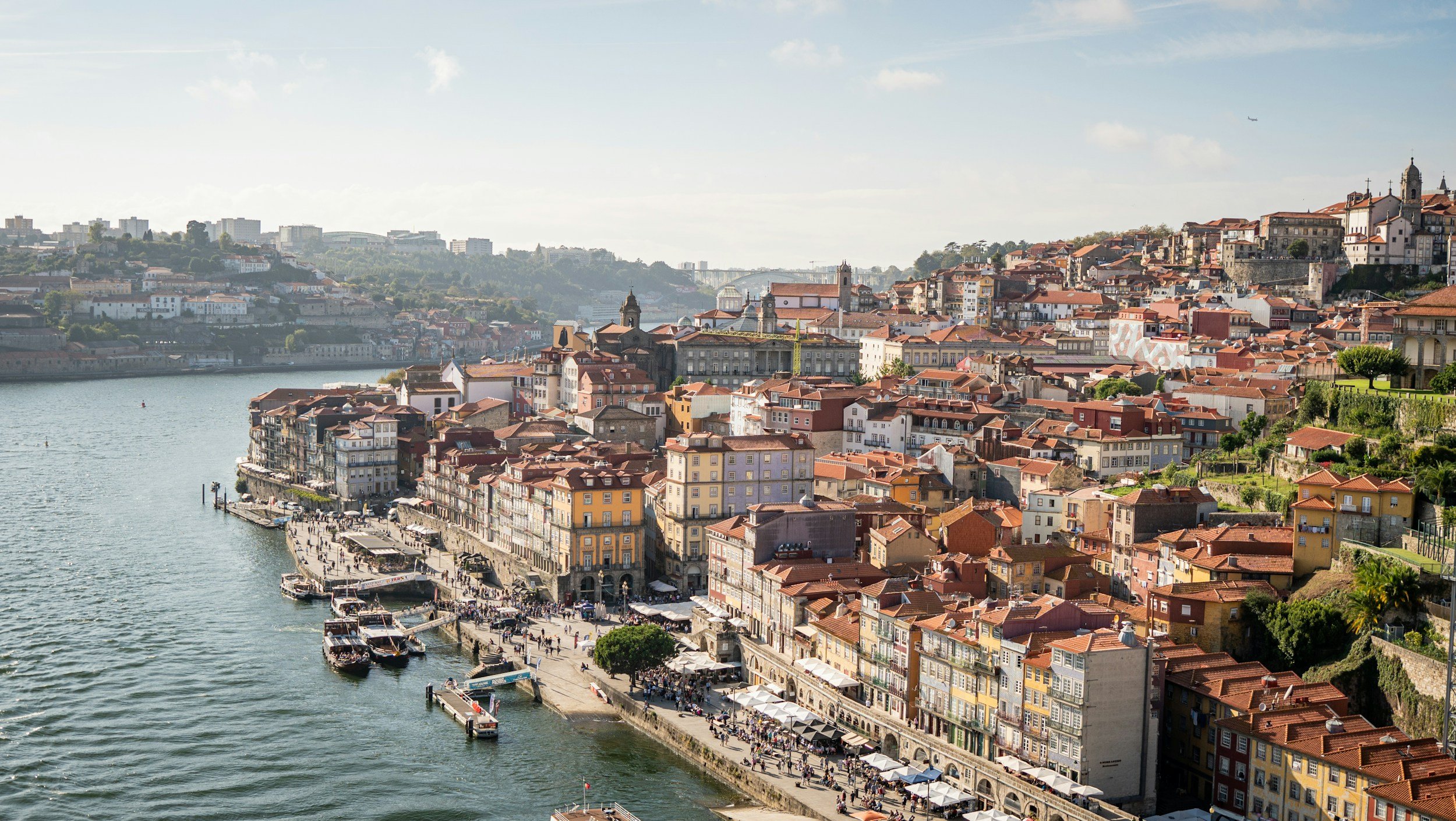
Days 6–9: Porto
The train from Lisbon to Porto takes about two and a half hours and is genuinely one of the more pleasant travel days you'll have in Europe. Porto is a different country in miniature: grittier, more compact, and built almost entirely on a river gorge that makes every walk feel like a small hike with a payoff view.
Three nights is right here. Stay on the Porto side of the river rather than Vila Nova de Gaia if you want to be closer to restaurants and daily life, though Gaia has the port wine lodges and better skyline views back toward the city.
Spend a morning working through the city center on foot. Start at São Bento train station, which sounds like an odd tourist stop until you're standing inside it. The azulejo tile panels lining the entrance hall are some of the most striking you'll see anywhere in Portugal, laying out scenes from the country's history across roughly 20,000 tiles. From there it's a short walk to Sé do Porto, the city's fortress-like cathedral with sweeping views over the rooftops toward the river, and Clérigos Tower, worth the climb for the same reason: a full 360-degree view once you're at the top.
If books are your thing, add Livraria Lello to the morning, though it now requires a timed ticket booked in advance since the crowds (partly fueled by rumors about its influence on Harry Potter) got out of hand. Worth seeing, just don't expect to linger.
For dinner, head down to Ribeira, the riverside neighborhood below the city center. It's touristy in the way that any riverside neighborhood with a view tends to be, but the setting along the Douro, with the Dom Luís I Bridge lit up overhead, earns it. Save sunset, though, for the other side of the river. Cross into Vila Nova de Gaia and look back at Porto from one of the terraces there. It's the best view of the city you'll get, and most of the port wine lodges have rooftop or terrace seating built for exactly this moment.
A port wine tasting is close to mandatory, and the difference between wandering into a lodge yourself and doing a guided tasting is significant. The context on vintage, aging, and the families still running these houses is what makes it memorable rather than just a glass of something sweet at 3pm.
Recommended Tours
Porto Wine Tour: Tasting Portugal
Led by a wine producer or chef, this Porto Wine Tour and Tasting provides an in-depth tutorial in wine history, technique, and appreciation.Downtown & Bolhão Market Food Tour
Porto’s longest-running food tour and one of the world’s best, this experience has been recognized by The Guardian and named the top Porto food tour by Lonely Planet.Sites & Insights: Porto City Tour
Find your footing in Porto, from Celtic roots to tiled stations and façades, with a walk that turns the city into a story.Porto Craft Beer Tour: 7 Beers + 3 Food Pairings in a Small Group
Think Porto is all about port wine? Think again! A fun, flavour-packed alternative to wine tours, this experience showcases Porto’s thriving craft beer scene with insider access, expert guidance, and one of the city’s most iconic dishes. Ideal for guests looking for something authentic, social, and memorable.
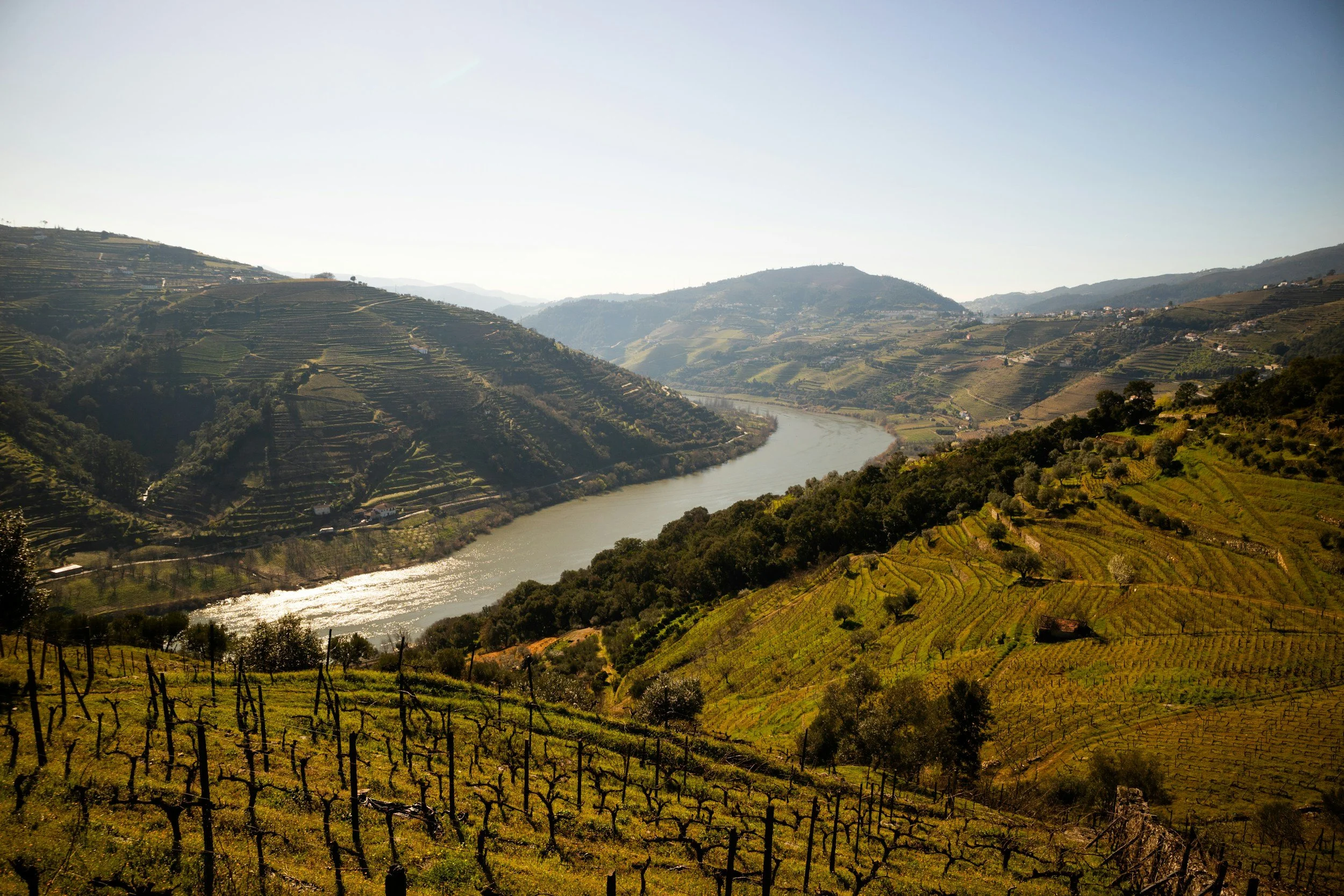
Days 10–12: The Douro Valley
This is the part of the itinerary that tends to surprise people the most. The Douro is one of the oldest demarcated wine regions in the world, and the landscape, terraced vineyards stacked up impossibly steep hillsides along the river, doesn't look real in photos until you're standing in it.
Two nights at a quinta (wine estate) here is one of the best uses of time in the entire trip, especially for couples. Many of the estates have their own restaurants and pools overlooking the valley, and there's very little to do except exactly that, which is the point.
A river cruise combined with a vineyard tour and lunch is the classic way to see the valley properly without needing to rent a car and navigate the switchbacks yourself.
A quick note on the tours below: they're all structured as day trips from Porto, which makes sense since that's the easiest thing to browse and book instantly online. But if you're staying overnight in the valley the way I'm recommending here, that's exactly the kind of thing worth building with a travel advisor rather than booking off a shelf. I can arrange a custom day at your quinta, a private tasting with a smaller producer who doesn't take walk-ins, or a private boat instead of a shared cruise, whatever actually fits how you want to spend your two nights there. Reach out and let's talk through it.
Recommended Tours
Small Group Douro Valley Tour w. 3-Course Lunch, Wine Tastings & 1hr Cruise
An expert-led full-day small-group tour through the breathtaking valley and Portuguese countryside, with lunch, tastings, and a cruise built in.Douro Valley 4x4 Private Tour: A Personalized & Unique Itinerary
A closer look at the world's first wine-demarcated region, driving off-road routes up through the steep hills and vineyards of this UNESCO World Heritage site.Private Douro Valley Wine Day Trip from Porto
A full-day tour exploring two stunning wine estates and their surrounding countryside, renowned for their fine, rich unfortified wines as well as the port wines that come from the region's different territories.
A Few Practical Notes
Getting around: Trains handle Lisbon–Porto easily and comfortably. The Douro is best reached by a short transfer or guided tour from Porto rather than a rental car, unless someone in your party is very comfortable with narrow, winding roads.
What to pack: Bring real walking shoes, not just cute ones. Between Lisbon's hills and every city's cobblestones, this is not the trip for breaking in new sandals.
Money & tipping: Cards are widely accepted almost everywhere, though it's smart to carry some cash for smaller cafés, markets, or family-run spots. Tipping isn't obligatory the way it is in the US; rounding up or leaving 5-10% for good service is generous and appreciated.
Reservations: Book ahead wherever you can, especially on weekends. Popular restaurants in Lisbon and Porto fill up fast, and sites like Livraria Lello now require a timed ticket booked in advance rather than allowing walk-ins.
When to go: May, June, September, and October are the sweet spot. July and August are gorgeous but genuinely hot, especially inland in the Douro.
Pacing: Resist the urge to add a fifth stop. The Algarve is wonderful but belongs on its own trip, ideally with beach time built in properly rather than bolted onto the end of a history-and-wine itinerary.
If this is the kind of trip you're picturing, whether it's a honeymoon, an anniversary, or just a long-overdue proper look at Portugal, I'd love to help you plan it. Reach out below and let’s start building your dream itinerary.